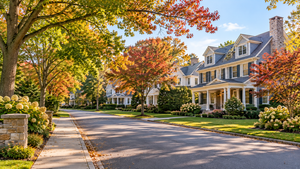
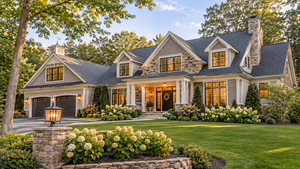
True Cost of Owning a Luxury Estate in Groton MA in 2026
What does it actually cost to own a luxury estate in Groton, MA beyond the purchase price, including taxes, maintenance, and HOA fees in 2026?
Beyond the purchase price, a luxury estate in Groton, MA can add tens of thousands annually in property taxes, maintenance, utilities, and potential HOA fees, often surprising even well-prepared buyers.
Why Groton MA Ownership Costs Matter Right Now
If you're considering a luxury estate in Groton, MA, you're already drawn to the town's historic New England charm, scenic landscapes, and spacious residential properties. What you might not have on your radar, though, is how quickly the ongoing costs of owning an estate-sized property can add up once the closing is behind you.
In our experience serving the Groton real estate market, we've seen that buyers relocating from metro areas like Boston or Cambridge sometimes underestimate the total annual cost of maintaining a large rural estate compared to a more typical suburban property. Every property in Groton has its own story, and the costs that come with it depend on factors like lot size, architectural character, property condition, and proximity to local amenities. Understanding these details upfront is not just smart planning; it is the difference between a confident purchase and an unpleasant surprise twelve months down the road.
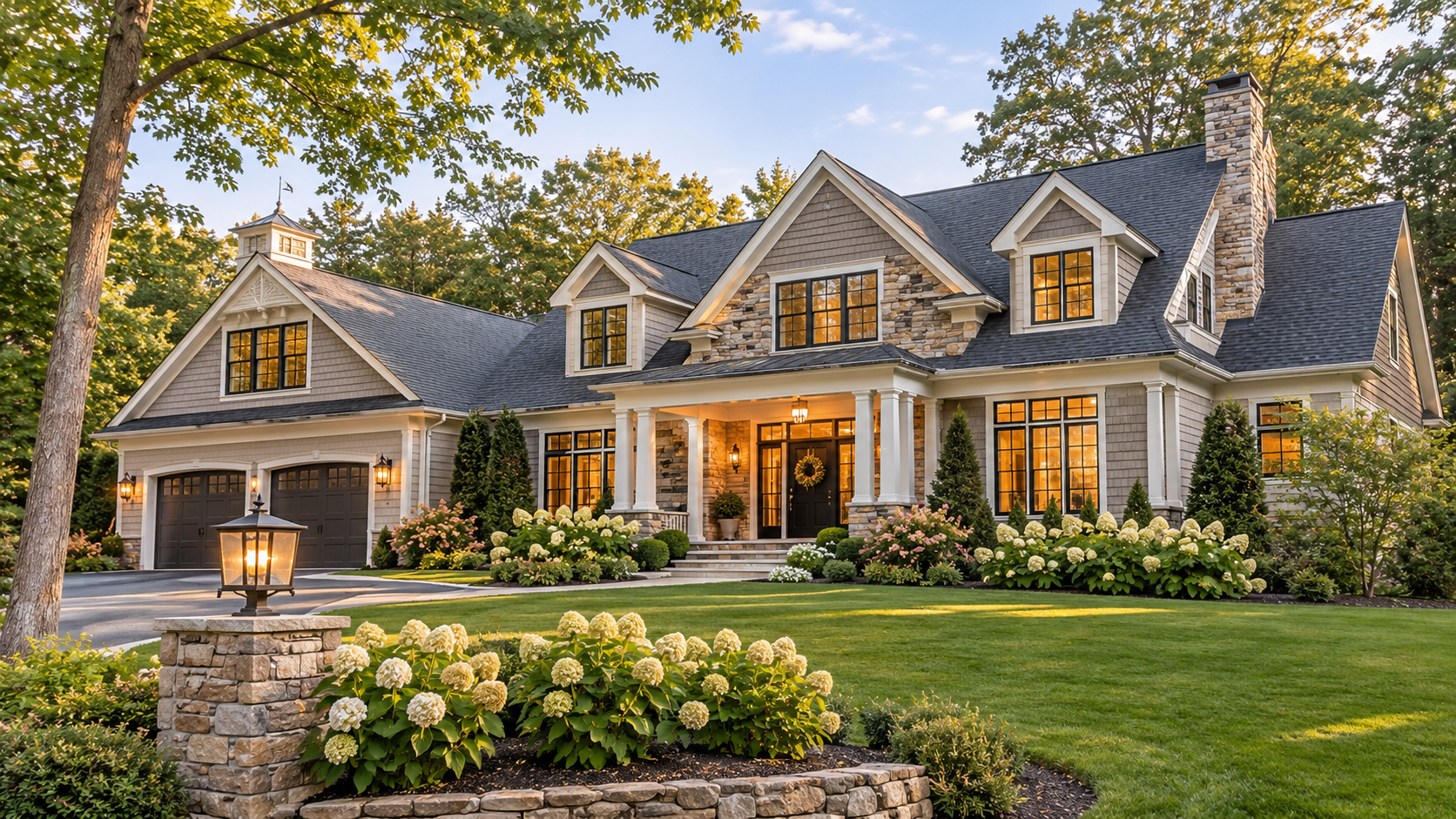
So what are you actually looking at? Let's walk through the major ongoing costs so you can budget with your eyes wide open.
Groton MA Property Taxes: The Biggest Line Item for Luxury Estate Owners
Your property tax bill will almost certainly be the single largest recurring cost of owning a luxury estate in Groton, MA. Here is what you need to know about how it works.
How Groton's Tax Rate Applies to Your Estate
Massachusetts law requires that property be assessed at 100% of full and fair cash (market) value. As of the most recently reported rate for the year ended December 31, 2025, Groton's residential property tax rate is $14.75 per $1,000 of assessed value, according to the Town of Groton Annual Report filed with the Massachusetts Department of Revenue.
What does that mean in real dollars? For illustration, if you purchase an estate assessed at $2,000,000, your annual property tax bill would be approximately $29,500. That figure scales directly with your purchase price, so an estate assessed at $3,000,000 would generate a tax bill of roughly $44,250 per year.
For context, the FY2026 statewide average single-family tax bill in Massachusetts is $8,113 on an average assessed value of $742,986, according to the Massachusetts Department of Revenue. If you are purchasing a Groton estate at two to four times that statewide average, your tax bill will be proportionally higher.
How Proposition 2½ Affects Your Groton Tax Bill Over Time
You might wonder whether your taxes can jump dramatically from year to year. Under Massachusetts Proposition 2½ (FY2026 tax levies, assessed values, and tax rates per the Massachusetts Department of Revenue), the town's total levy can increase by no more than 2.5% annually, plus new growth, and the tax rate can never exceed $25 per $1,000 of assessed value. Voters can approve overrides that increase the levy beyond the standard cap. What this means for you is that while your town's total levy is capped, though your individual bill can still rise — sometimes meaningfully — if the assessor updates your property's valuation; you should model both the annual levy cap and the possibility of a reassessment step-up into your long-term ownership budget.
Watch for Reassessment After Your Purchase
Here is something we consistently tell our clients: Massachusetts assessors update property valuations to reflect market value. If you pay a premium above a prior assessed value, expect the assessor to adjust the valuation at the next certification cycle, which occurs every five years with interim adjustments in between. This can trigger a step-up in your tax bill after closing that catches buyers off guard. We always recommend discussing this with a tax advisor before finalizing your purchase.
Annual Maintenance Costs for Luxury Estates in Groton MA
If property taxes are the biggest line item, maintenance is the one most likely to be underestimated.
The 1% to 2% Rule, and Why Groton Estates Often Land Higher
Industry guidance from established real estate research institutions generally places annual home maintenance costs at 1% to 2% of a property's value. For a typical home, that is manageable. But for a luxury estate in Groton with acreage, mature landscaping, historic architecture, or custom finishes, the upper end of that range, or even beyond it, is more realistic.
What kinds of expenses are we talking about?
Landscaping and grounds keeping on multi-acre lots, including seasonal planting, tree care, and lawn maintenance
Snow removal for long driveways and walkways through Massachusetts winters
HVAC servicing for large or zoned heating and cooling systems
Roofing and exterior upkeep on homes with premium materials, especially older or historic properties
Septic system maintenance, which is common on Groton's larger rural lots and includes regular pumping, inspection, and eventual replacement
Interior upkeep on high-end finishes, hardwood floors, custom millwork, and specialty systems like whole-house generators or water filtration
Through our experience in Groton, we understand that factors like lot size, architectural character, and property condition can significantly influence ongoing costs. A beautifully restored antique farmhouse on ten acres has a very different maintenance profile than a newer custom build on two acres, and knowing what to expect helps you make a more confident decision.
HOA Fees and Community Assessments in Groton MA
Not every luxury property in Groton comes with a homeowners association, and that is actually one of the things buyers often appreciate about the area.
When HOA Fees Apply in Groton
Groton's luxury market includes both standalone estate properties with no HOA and planned communities or subdivisions that carry monthly or annual association fees. In New England luxury communities, HOA fees can range from a few hundred dollars to several thousand dollars per year depending on shared amenities such as private roads, common land, or gated entry.
What should you do? During due diligence, always request HOA documents for any property you are considering. These documents will spell out monthly or annual dues, reserve fund balances, planned special assessments, and rules that govern the community. Some buyers actively seek HOA-free estate lots for maximum autonomy over their property, while others value the convenience of having road maintenance and common-area upkeep handled by an association.
We recommend reading HOA financials carefully, not just the fee amount. A low monthly fee paired with a thin reserve fund can signal future special assessments that hit your wallet harder than a higher, well-managed fee would.
Utility Costs and Infrastructure on Groton MA Luxury Properties
This is where Groton's rural character adds a wrinkle that many buyers from more urban settings don't anticipate.
Private Wells and Septic Systems
Many luxury estates in Groton rely on private wells and septic systems rather than municipal water and sewer. On one hand, this eliminates monthly water and sewer bills. On the other hand, it means you are responsible for periodic well testing, pump maintenance, septic pumping on a schedule your service provider recommends, and the eventual replacement of a septic system, which can be a significant capital expense.
Heating and Energy Costs
Heating a large home through a Massachusetts winter is no small expense. Historic homes in Groton can have high ceilings, older insulation, and multiple heating zones that drive energy costs well above what you might expect based on your experience with a smaller property. We always advise buyers to request prior-year utility bills as part of the offer process so there are no surprises after moving in.
Oil or propane delivery for homes not connected to natural gas
Electrical costs for estate-scale properties with pools, outbuildings, or extensive exterior lighting
Generator fuel and maintenance for whole-house backup systems
How Groton MA Compares to Neighboring Towns for Luxury Ownership Costs
If you are evaluating Groton against nearby communities like Westford, Littleton, Pepperell, or Ayer, tax rate is one variable but not the only one. The total cost of ownership depends on the interplay between assessed value, tax rate, lot size, infrastructure (municipal water vs. private well, for instance), and the condition and age of the home.
Groton's most recently reported residential tax rate of $14.75 per $1,000 of assessed value (year ended December 31, 2025, per the Town of Groton Annual Report) sits below the Proposition 2½ statutory cap of $25 per $1,000, which gives the town room within its levy structure. The town's total taxable assessed value of $2,994,832,428, as of year-end 2025 per the same report, reflects a substantial property base that supports the local levy. The Groton-Dunstable Regional School District received $11,663,603 in state Chapter 70 education aid for FY2026 according to the Massachusetts state budget — state funding that offsets a portion of what the town must raise locally..
When comparing towns, we encourage you to look beyond the headline tax rate and calculate the actual dollar-amount tax bill on the assessed value of the specific property you are considering. A lower rate on a higher assessed value can result in a larger bill than a higher rate on a more modestly assessed home.
Building Your Groton MA Luxury Estate Ownership Budget
Putting it all together, here is a practical framework for estimating your total annual cost of ownership on a luxury estate in Groton, MA.
Property taxes: Multiply your expected assessed value by $14.75 per $1,000 (most recently reported rate, year ended December 31, 2025). Plan for modest annual increases under Proposition 2½.
Maintenance: Budget 1% to 2% of property value annually, leaning toward the higher end for larger lots, historic homes, or properties with premium finishes.
HOA fees (if applicable): Request and review HOA documents during due diligence. Factor in both regular dues and potential special assessments.
Utilities: Request prior-year bills, and add a cushion for heating fuel, electricity, and well/septic system costs.
Insurance: Luxury estates typically require higher coverage limits and may need specialty riders for outbuildings, antiques, or high-value landscaping. Consult your insurance advisor for a tailored quote.
Does it feel like a lot to track? It can be. But when you plan for these costs upfront, you buy with confidence instead of anxiety. That is the approach we bring to every transaction in Groton, whether we are helping buyers find a home that fits their lifestyle or guiding sellers through pricing and preparation.

Frequently Asked Questions About Luxury Estate Costs in Groton MA
What is the current property tax rate in Groton MA?
The most recently reported residential property tax rate in Groton is $14.75 per $1,000 of assessed value, for the year ended December 31, 2025, per the Town of Groton Annual Report filed with the Massachusetts Department of Revenue. Groton's parcel data was updated by MassGIS in April 2026, confirming active assessor activity. You should verify the current FY2026 or FY2027 rate with the Groton assessor's office or the Massachusetts DLS databank.
How much would property taxes be on a $2 million estate in Groton MA?
For illustration, using the most recently reported rate of $14.75 per $1,000, a property assessed at $2,000,000 would generate an annual tax bill of approximately $29,500. Keep in mind that Massachusetts law requires assessment at full market value, so your assessed value should closely track your purchase price.
Can my Groton MA property taxes increase every year?
Yes. Under Massachusetts Proposition 2½, the town's total levy can increase by up to 2.5% per year, plus new growth, and voters can approve overrides that go beyond that cap. Your individual bill can also change if the assessor adjusts your property's valuation to reflect market conditions.
Do all luxury homes in Groton MA have HOA fees?
No. Groton's luxury market includes both standalone estate properties with no HOA and planned communities or subdivisions that carry association fees. Always request HOA documents during due diligence to understand whether fees apply and what they cover.
How much should I budget annually for maintenance on a Groton luxury estate?
Industry guidance places annual home maintenance at 1% to 2% of property value. For a luxury estate with acreage, historic features, or premium finishes, the higher end of that range is more realistic. Septic maintenance, snow removal, and landscaping on larger lots add to the total.
Do Groton MA luxury estates use municipal water and sewer?
Many luxury estates in Groton rely on private wells and septic systems rather than municipal infrastructure. This eliminates monthly water and sewer bills but adds responsibility for well testing, septic pumping, and eventual system replacement.
What utility costs should I expect for a large estate in Groton MA?
Heating costs for large homes in a Massachusetts climate can be substantial, especially for historic properties. Oil or propane delivery, electricity for estate-scale properties, and generator fuel are common expenses. We recommend requesting prior-year utility bills during the offer process.
Will my assessed value change after I buy a luxury estate in Groton MA?
It can. Massachusetts requires assessments at 100% of market value. If you pay above the prior assessed value, the assessor may update the valuation at the next certification cycle or during interim adjustments, which could increase your tax bill. A tax advisor can help you understand the timing.
How does Groton MA's tax rate compare to the Massachusetts state average?
The FY2026 statewide average single-family tax bill is $8,113 on an average assessed value of $742,986, per the Massachusetts Department of Revenue. A luxury buyer in Groton purchasing at well above the statewide average will see a proportionally higher bill. The comparison also depends on each town's specific rate and how it applies to your property's assessed value.
What should I ask the listing agent about ongoing costs before buying in Groton MA?
Request prior-year property tax bills, utility bills, HOA documents (if applicable), septic system records, well water test results, and any recent capital improvements. Understanding the property's maintenance history gives you a clearer picture of what to expect as the new owner.
The Bottom Line on Groton MA Luxury Estate Ownership Costs
Owning a luxury estate in Groton, MA is about more than the purchase price. Property taxes, maintenance, utilities, and potential HOA fees can collectively add tens of thousands of dollars to your annual cost of ownership. The key to a confident purchase is understanding these costs before you close, not after.
For us, real estate is about understanding the communities we serve and helping our clients make decisions they feel great about for years to come. Tricia Eggert and Leah Paglia, with the Reliable Results Team at Coldwell Banker Realty, bring deep experience in the luxury market and the local knowledge of Groton and surrounding communities that makes a real difference. If you are considering a luxury estate in Groton, we would welcome the chance to walk you through the full picture and help you plan with clarity. Reach us at 978-496-8695 or visit us at 9 Cornerstone Square, Westford, MA 01886.