Westford MA Investment Properties Under $800K: How to Choose Profitable Single-Family vs Multi-Family Deals
How do you choose profitable single-family vs multi-family investment properties under $800K in Westford, MA?
Choose single-family if you want appreciation, simpler management, and an easier exit. Choose duplex or triplex under $800K if you want 5–6% caps and stronger cash flow. In Westford, check rents, renovation scope, taxes, and zoning before you decide.
Why This Matters Right Now
You are competing in a true seller’s market where quality listings move in roughly a month, faster than the national average. Prices remain elevated, with recent medians near the mid to high $700Ks and a FHFA HPI metro datasets January 2026 reading around $840K, so timing and underwriting discipline matter. Months of supply sits near a seller’s threshold, which means you need to be ready with financing and a clear investment thesis.
You are also looking at durable tenant demand. Proximity to Route 3 and I‑495, strong schools, and professional employment centers near the tech corridor keep occupancy high. New mixed-use and townhouse pipelines add optionality, but you still see tight active inventory as pendings absorb fresh listings quickly. If you buy under $800K, you position yourself below the town’s most competitive luxury tier while capturing rent growth tied to schools, parks, and commuter access. Your timing could lock in a property before the next appreciation cycle. For baseline demographic and housing facts about the town, consult the Westford QuickFacts data
What You Need to Know Before You Choose
You should start with clear return targets and a financing plan that fits Westford’s price band. Under $800K, you can find renovated single-family homes that rent quickly to families prioritizing schools and amenities. You can also find duplex or small multifamily options that deliver stronger income but may need light to moderate rehab.
Pricing context: recent median values in the mid to high $700Ks, with periodic spikes above $800K. Under $800K is realistic for entry-level single-family and select duplexes.
Rent context: single-family homes commonly fetch around $3,200 to $4,500 per month depending on size, finishes, and school proximity. Duplexes and triplexes under $800K often gross $5,000 to $6,500 per month.
Financing: many investors use 75% LTV conventional or portfolio loans with rates in the mid 5s. You should target at least a 1.20 DSCR on stabilized numbers for comfort.
Renovation: plan a CapEx budget under 25% of purchase if you want to stay within lending comfort and timeline. Historic properties may face façade limits and longer approval windows.
Taxes and insurance: base your pro forma on current tax rates with a reassessment assumption post-closing. Insurance and snow removal add meaningful operating expense in this market.
Exit: single-family offers broader buyer demand at resale. Multifamily narrows your exit pool to investors and house hackers, which still moves but depends on income quality.
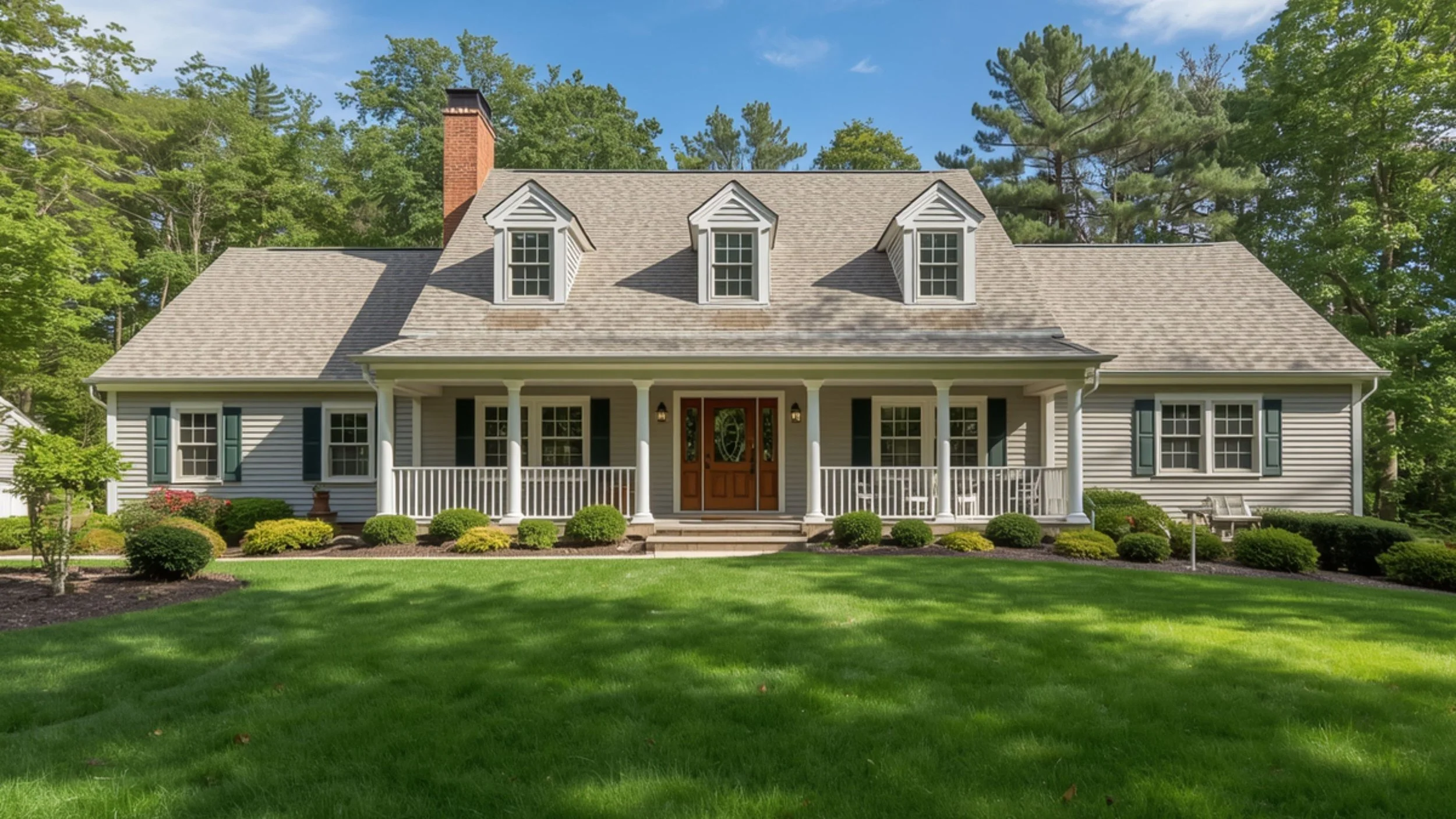
You will get better outcomes when you set a cap rate target up front. In Westford, single-family often stabilizes near 3 to 4 percent. Duplex or triplex opportunities tend to underwrite around 5 to 6 percent with good management and controlled turnover.
Your Underwriting Guardrails
Target purchase price under $800K
Stabilized DSCR of at least 1.20
Vacancy 3 to 5 percent
Repairs and CapEx under 25 percent of purchase
Property management 8 to 10 percent of collected rent
Insurance and taxes based on current mill rates with reassessment buffer
How to Compare Your Options
When you compare single-family to multi-family under $800K, weigh cash flow against ease of ownership and exit. In Westford, strong schools and commuter access push tenant quality high, but rent ceilings limit how far you can raise single-family returns without over-improving.
Single-family strengths:
Easier financing, broad buyer pool at resale, and lower turnover when you attract school-oriented tenants.
Lower operating complexity, fewer systems to maintain, and less common area liability.
Stronger appreciation potential tied to neighborhood comps and limited high-quality supply.
Single-family tradeoffs:
Lower cap rates, often 3 to 4 percent.
Greater sensitivity to vacancy since one unit drives 100 percent of income.
Less flexibility to adjust rents across multiple doors.
Multi-family strengths:
Higher income density under $800K, often 5 to 6 percent caps on stabilized deals.
Resilience against vacancy with multiple units sharing fixed costs.
Better ability to force equity through unit-by-unit renovations and lease-up.
Multi-family tradeoffs:
Tighter inventory and more competition from other investors.
More management complexity, plus potential zoning and historic reviews for larger improvements.
Exit market mainly investor and house-hacker buyers.
Key factors to evaluate:
Rent ceiling and absorption: Know the top achievable rent for your bedroom mix and finishes. You should stress test at least 5 percent below pro forma.
Renovation scope and timeline: Keep the budget under 25 percent of purchase, and confirm permit timelines if the property touches a historic district.
Liquidity at exit: Single-family benefits from owner-occupant demand. Multi-family depends on in-place income and clean P&L, which you control with solid operations.
Your Step-by-Step Guide
1) Define the strategy. Choose cash flow priority or appreciation priority. Set targets for cap rate, DSCR, and hold period.
2) Get pre-approved. Secure terms for 75 percent LTV, understand rate, reserves, and DSCR requirements. Confirm whether your lender will finance 2 to 4 unit properties with rental income considered.
3) Build a rent comp set. Pull 12 months of local leases for similar bed-bath counts and school zones. Adjust for parking, in-unit laundry, and proximity to Route 3 or village centers.
4) Price the rehab. Walk each unit with a contractor. Separate immediate health and safety items from value-add finishes. Budget contingency at 10 to 15 percent.
5) Model your pro forma. Use realistic taxes, insurance, 3 to 5 percent vacancy, 8 to 10 percent management, and 5 percent maintenance reserves. Aim for a stabilized DSCR of 1.20 or better.
6) Verify zoning and restrictions. Confirm whether the property’s unit count is legal, check parking minimums, and identify any historic façade limits. If you plan exterior work, understand timelines for local approvals.
7) Write a competitive offer. As a buyer in this market, you will often win with strong terms, clean contingencies, and proof of funds. Consider pre-inspections and shorter timelines if risk is acceptable.
8) Execute due diligence. Order a full home inspection, septic and water tests where applicable, and a lead paint review for older stock. For multi-family, request estoppels when possible and verify rent ledgers and deposits.
9) Lock property management. Interview suburban specialists who know Westford tenants. Clarify leasing fees, renewal fees, maintenance approvals, and reporting frequency.
10) Plan the exit. Decide whether you will refinance after stabilization, hold through a rent growth cycle, or sell into owner-occupant demand. Keep at least six months of reserves for smooth operations.
What This Looks Like in 9 Cornerstone Square Westford, MA 01886
You sit in a hub with quick access to Route 110, I‑495, and retail that tenants value. Commuters reach Burlington in about 30 minutes and Boston in about 45 by car, and regional transit connects to nearby commuter rail stations. School quality remains a core driver of tenant demand, and local parks, ponds, and trails keep family renters sticky.
Neighborhoods to consider:
Graniteville: You get a mix of historic and newer stock, close to I‑495 and Route 3. Under $800K, you can find duplexes or larger single-family homes that rent well to commuters. Expect stronger multi-family caps and quick lease-up for updated units.
Nabnasset: You find single-family homes that appeal to school-focused tenants. Median values run high, yet well-bought homes under $800K still appear. Typical rents range around $4,000 for a renovated three or four bedroom with parking and outdoor space.
Westland: You see small-lot single-family homes with more approachable pricing, often in the $700Ks. This is a practical spot for a buy-and-hold single-family or a light value-add that positions you below the luxury tier while capturing strong tenant interest.
You should also keep an eye on Forge Village and Center Village. Mixed-use zoning and planned townhomes can create comp pressure that supports your rents. For historic areas like Parker Village, factor additional review time for exterior changes and stay conservative on renovation timelines.
What Most People Get Wrong
You often see investors overestimate top-of-market rents, especially for single-family homes without premium kitchens, central air, or updated baths. In Westford, tenants pay for finishes and function, but you still face a rent ceiling that you cannot break with cosmetic work alone. Stress test your pro forma with rent 5 percent below target and higher turn costs for older stock.
You should not ignore tax reassessment after purchase. Many investors underwrite legacy taxes that jump once the property trades, which compresses DSCR. You also need to carry realistic operating costs. Snow removal, yard maintenance, and water can chew into NOI. Historic properties require special attention to façade and window rules that affect both timeline and cost. Finally, do not rely on a quick flip unless you have airtight permits and a construction calendar. Westford rewards patient, quality improvements that match neighborhood standards.

Frequently Asked Questions
Which delivers better ROI under $800K in Westford, single-family or multi-family?
If you want cash flow, multi-family usually wins with 5 to 6 percent caps and better DSCR. If you want appreciation and an easier exit, single-family often performs best, even at 3 to 4 percent caps. Your choice should fit your financing terms, risk tolerance, and hold period.
Can you still cash flow a duplex under $800K with today’s rates?
Yes, if you buy right and manage well. Aim for gross rent between $5,000 and $6,500 per month, keep renovation under 25 percent of purchase, and underwrite 3 to 5 percent vacancy. With 75 percent LTV financing and disciplined expenses, a 1.20 DSCR is achievable.
How does school quality affect rents in Westford?
School strength drives tenant demand and lengthens average tenancy. You will attract families willing to pay for renovated three and four bedroom homes near top schools. That typically supports lower vacancy and smoother renewals, which boosts effective cap rate even if headline rent is similar.
What permits slow investors down in historic areas?
Exterior changes like windows, siding, additions, and certain porch updates can require historic review. You should plan for longer approval timelines and prioritize interior value-add work that does not alter the façade. Always confirm district boundaries and requirements before you budget.
How can you source under-$800K deals in a tight market?
You should monitor MLS alerts, nurture relationships with local agents, and engage property managers who hear about tenant move-outs early. Many sellers are retiring and downsizing in Westford MA, creating opportunities to solve timing problems and negotiate clean terms before wider competition appears.
The Bottom Line
If you want simpler ownership and strong resale liquidity, choose a single-family under $800K in a high-demand school zone and hold through appreciation. If you want stronger cash flow, choose a duplex or small multifamily, push unit quality to the area’s rent ceiling, and manage tightly for a 5 to 6 percent cap. In Westford, both paths work when you underwrite taxes, management, and realistic rents. Your best option is the one that aligns with your financing, renovation capacity, and timeline.
If you are ready to explore your options for Westford MA investment properties under $800K, including how to compare profitable single-family vs multi-family deals around 9 Cornerstone Square, Tricia Eggert & Leah Paglia at Reliable Results Team at Coldwell Banker Realty can walk you through the specifics for your situation. As you evaluate strategies, you can also leverage buying your first investment property in Westford and current market analysis. If you need downsizing in Westford help or real estate advice for downsizing Westford while you reposition your portfolio, you can align with local downsizing specialists Westford MA to uncover off-market opportunities and coordinate a smooth transition to a move to smaller home Westford. For an expert downsizing guide Westford or a downsizing consultation Westford MA tied to selling your home to downsize Westford, you can get practical tips for downsizing in Westford and a clear downsizing checklist Westford tailored to investors who are also retiring and downsizing Westford MA.
978-496-8695